

- All
- Deals
- Coupons
- Sales
- Expired

About EVIL ENERGY
EVIL ENERGY, operated by Shenzhen Bomit Technology Co., Ltd., is an automotive performance parts brand focused on fuel system modification and maintenance components. The brand runs manufacturing operations covering 10,000 square meters and exports to clients across the Americas, Asia, the Middle East, and Europe, positioning itself as a direct manufacturer offering affordable, high-quality components for automotive enthusiasts and engine builders rather than a general parts reseller.
What EVIL ENERGY Sells
- PTFE and CPE fuel line kits, fittings, and hose ends for EFI and LS swap builds.
- Fuel pumps, pressure regulators, and complete fuel system kits.
- Fuel cell gas tank kits in a range of sizes.
- Cold air intakes, oil coolers, oil catch cans, and carburetors.
Popular Categories For Engine Builders
LS swap fuel kits are one of the brand's most searched categories, bundling a fuel pump, pressure regulator, and AN fuel line together for builders converting a vehicle to run an LS-style engine. Beyond swaps, the oil cooler and oil catch can lines are aimed at protecting engine and transmission components under track use or heavy towing loads, while the cold air intake line focuses on horsepower and towing performance gains for specific vehicle applications.
EVIL ENERGY Discount Code
Codes for fuel system kits, individual fittings, and bundle purchases circulate periodically, often tied to specific product categories rather than a single sitewide discount. Applying a currently verified code from this page before checkout is the most reliable way to catch an active discount on your specific build.
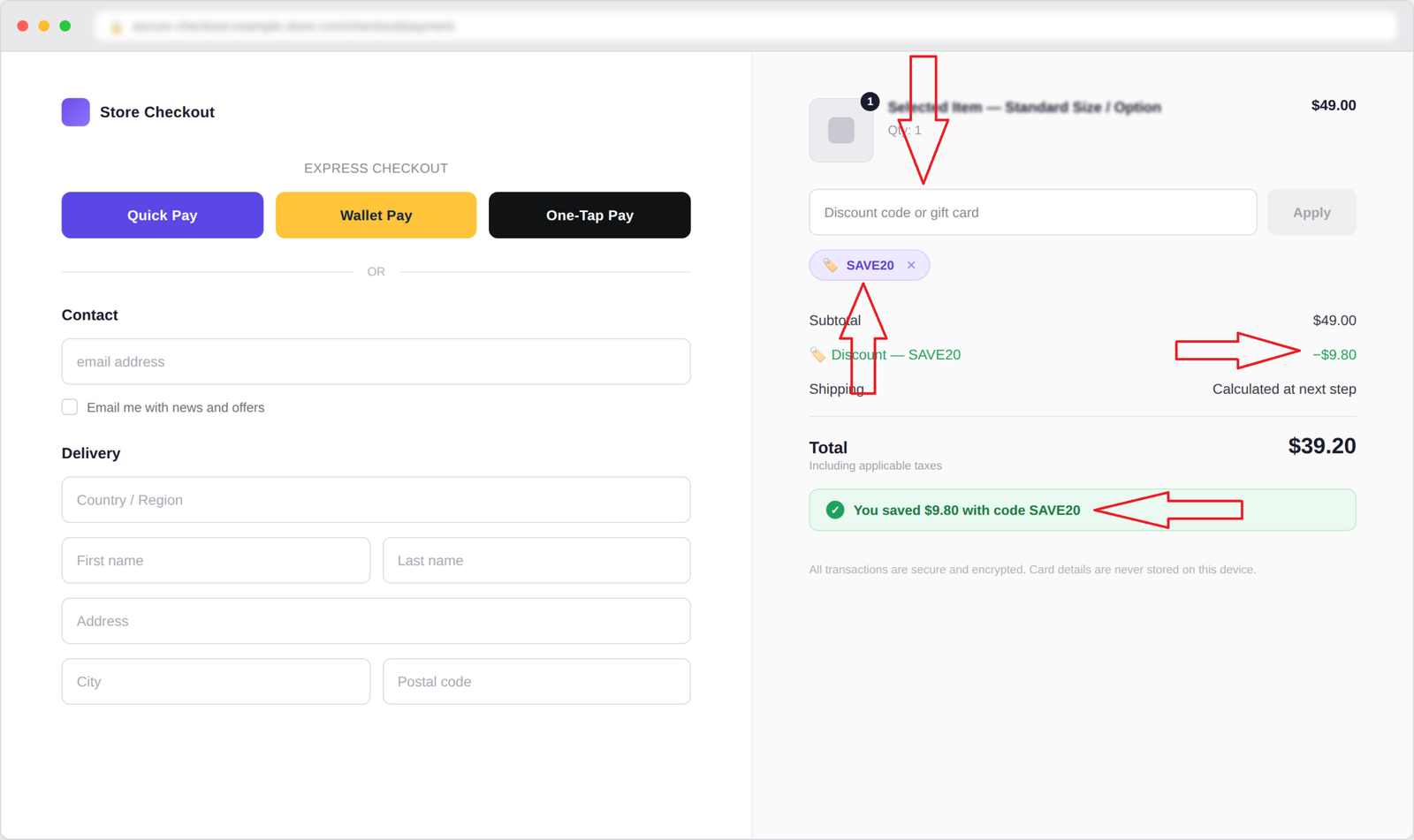
Here's what it actually looks like once a working code is applied and the discount shows up in the order total below.
Picking The Right Fuel Line Kit For Your Build
Matching AN fitting size, fuel type compatibility (gas, E85, or diesel), and hose length to your specific engine build matters more than picking based on price alone. I initially ordered a kit sized for my old setup instead of double-checking against the new LS engine's fuel requirements, and had to reorder the correct AN size before I could finish the install.
Buying Automotive Parts From An Overseas Manufacturer
Buying directly from a manufacturer rather than a middleman retailer often means better pricing, but it's worth checking shipping timelines and warranty terms specifically, since these can differ from a typical domestic auto parts store. Reading the product-specific compatibility notes carefully before ordering is the best way to avoid a mismatched part showing up mid-project.
PTFE Vs. CPE Fuel Line: Which One Do You Need?
PTFE lines generally hold up better against modern ethanol-blended fuels and higher temperatures, making them the more common choice for E85 and turbo applications, while CPE lines are typically a lower-cost option suited to standard gasoline builds without the same fuel compatibility demands. Picking based on your actual fuel type rather than just going with whichever kit is cheaper avoids a compatibility issue down the line that's a lot more annoying to fix once everything's installed.
Installing A Fuel System Kit Without Leaks
Most leaks on a DIY fuel system install come down to under-tightened fittings or a fitting installed at a slight angle rather than a defective part, which is worth knowing before assuming a leak means a bad component. Double-checking every connection with a flashlight and a firm hand-tighten-plus-quarter-turn approach before pressurizing the system caught two loose fittings on my own install that I'd have otherwise found the hard way with fuel spraying under pressure.
- I ordered a fuel line kit sized for my old fuel system instead of checking compatibility with my new LS swap, and had to reorder the correct AN fitting size.
- I used hose clamps instead of the proper push-on fittings for the check valves, which the kit's included fittings weren't really designed around.
- I installed the oil catch can without checking the recommended service interval, and didn't empty it until it was nearly overflowing.
EVIL ENERGY's Manufacturing Scale
Operating its own factories rather than relying entirely on third-party manufacturing partners is part of why EVIL ENERGY can offer the fitting quality it does at a price noticeably below some established competitors — cutting out a layer of markup that typically exists between a manufacturer and a retail-facing brand. That direct manufacturer relationship is part of the value proposition worth understanding when comparing prices against big-box retail options.
Warranty And Support For Automotive Parts
Checking a manufacturer's warranty terms before ordering matters more with performance parts than with basic maintenance items, given how much labor is often involved in reinstalling a part if something fails down the line. Reaching out to support directly with a specific compatibility question before ordering saved me from a mismatched part on a later order, after I'd learned my lesson from the first mistake.
EVIL ENERGY's Customer Reviews And Community
Reviews across the brand's own site and third-party marketplaces consistently mention the same two things — solid fitting quality for the price, and reasonable but not instant shipping given the manufacturing location. Reading through a handful of reviews specifically for the exact kit you're considering, rather than the brand's overall rating, gave me a clearer picture of what to actually expect before my own first order arrived.
Since that first LS swap, EVIL ENERGY has become my default source for fuel system parts on every build since — the fitting quality alone has been worth the switch. Double-checking compatibility against your specific engine and applying an active discount code from this page is the smart way to order.


